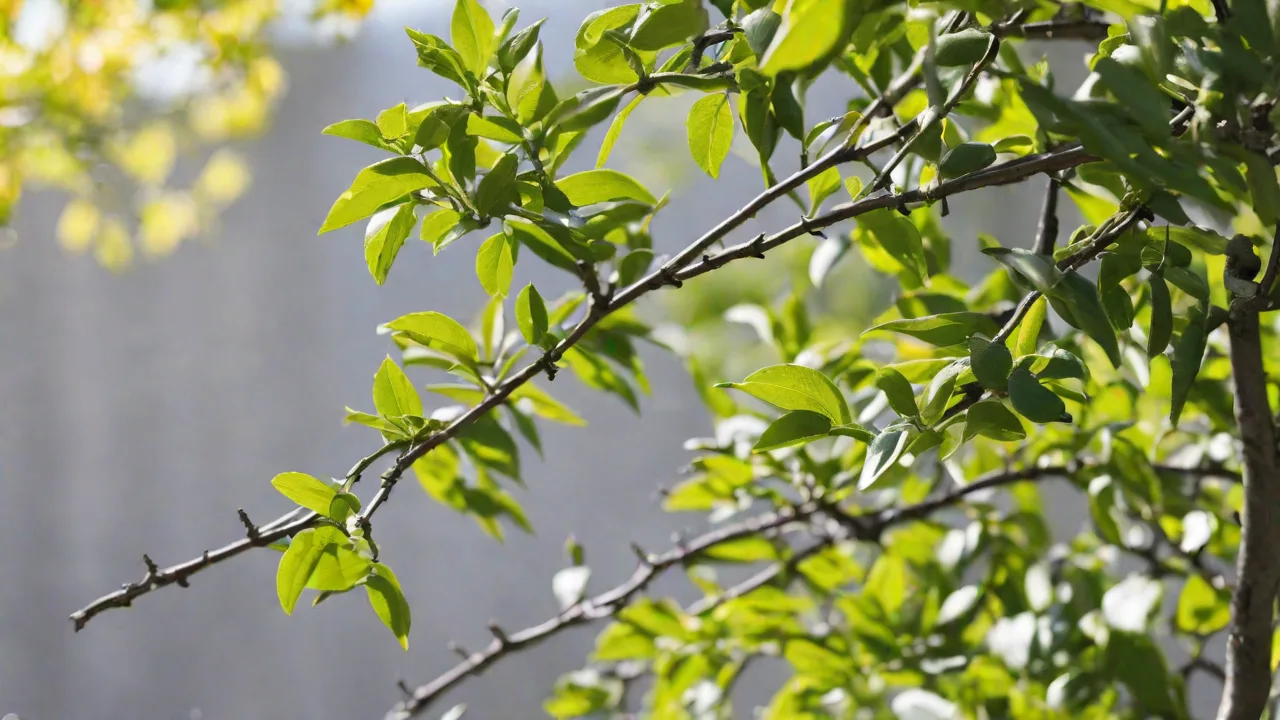
Pruning Mistakes to Avoid: Learning from Blueberry Care Failures
Blueberries are a popular fruit crop known for their delicious taste and health benefits. Proper pruning is essential for healthy growth and abundant yields. However, many gardeners make mistakes that can hinder the development of their blueberry bushes. Learning from these common errors can help ensure a successful harvest each season.
Common Pruning Mistakes in Blueberry Care
Understanding what not to do is as important as knowing the correct techniques. Here are some of the most frequent pruning mistakes made by blueberry growers:
1. Over-pruning or Under-pruning
Removing too many or too few can negatively impact blueberry bushes. Over-pruning can reduce fruit production, while under-pruning can lead to overcrowded plants that are more susceptible to disease. Aim to remove about 20-30% of old canes each year to promote healthy growth.
2. Pruning at the Wrong Time
Pruning during the wrong season can harm the plant. The best time to prune blueberries is late winter or early spring when the plants are dormant. Pruning during the growing season can stimulate unnecessary growth and reduce fruit yield.
3. Cutting Too Deep into Old Wood
Removing old canes is necessary, but cutting too deeply into the old wood can damage the plant. Only remove canes that are more than 6 years old or are diseased. Use clean, sharp tools to make precise cuts.
Lessons Learned from Blueberry Care Failures
Many blueberry growers have faced setbacks due to pruning errors. By analyzing these failures, gardeners can develop better practices and avoid common pitfalls. Here are some key lessons learned:
- Consistent pruning: Regular, planned pruning leads to healthier plants and better yields.
- Proper timing: Pruning during dormancy prevents stress and promotes vigorous growth.
- Selective removal: Focus on removing the oldest, least productive canes to encourage new growth.
- Tool maintenance: Sharp, clean tools minimize damage and disease transmission.
Tips for Successful Blueberry Pruning
To avoid pruning mistakes and ensure healthy blueberry plants, consider these practical tips:
- Prune annually to maintain a balanced structure.
- Remove weak, damaged, or diseased canes promptly.
- Use clean, sharp pruning shears for precise cuts.
- Maintain an open center to allow sunlight and air circulation.
- Keep records of pruning activities to track plant development over time.
Conclusion
Pruning is a vital aspect of blueberry cultivation that requires careful attention and technique. Avoiding common mistakes such as over-pruning, improper timing, and damaging old wood can lead to healthier plants and higher yields. Learning from past failures and applying best practices will help gardeners enjoy bountiful blueberry harvests year after year.